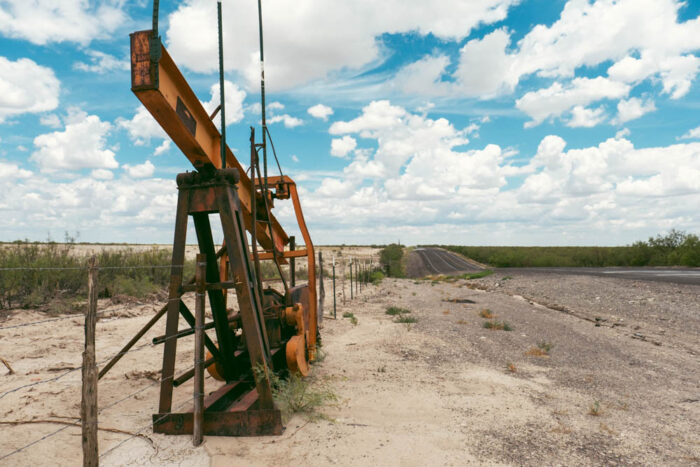
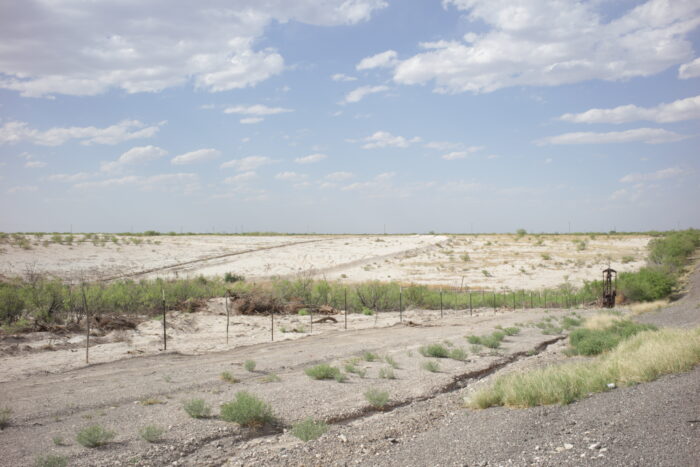
LAREDO, TX — The Railroad Commission’s latest Orphaned Wells report reveals that Texas now has over 11,000 orphaned wells. The figure breaks the previous high record from October last year, and now represents the highest number of orphaned wells recorded in the past 20 years. Additionally, the state’s inactive well count has exceeded 120,000, underscoring the growing challenge facing Texas’s oil and gas industry.
Orphaned oil and gas wells, lacking active operators, are a significant environmental concern as their deterioration poses risks such as water contamination with benzene, a carcinogen; harmful fluid leaks affecting wildlife, agriculture, and livestock; and methane emissions contributing to global warming.
Historically, state law has allowed operators to defer plugging inactive wells indefinitely, creating a massive backlog. Operators are not required to post bonds that cover the full cost of plugging wells, and they are allowed to transfer wells and plugging responsibilities to smaller operators who can’t afford to plug them. Additional factors such as lower natural gas prices, inflation, and a larger population of old wells with low production, have increased the odds of operators falling into bankruptcy and orphaning wells.
The Railroad Commission of Texas, the state oil and gas oversight agency, typically plugs about 1,300 orphaned wells annually, yet this effort falls short of keeping pace with the increasing number of wells added to the list each year. The agency typically pays for well plugging using fees and surcharges paid by the oil and gas industry, and bond collections to a lesser extent. However, neither fees nor bonds have increased to keep up with the need to plug the rising number of orphaned wells.
As the backlog of orphaned wells grows, the dangers to groundwater and soil intensify due to delays in well plugging. Community members have reported ongoing concerns, noting instances where the RRC has not addressed leaking wells promptly, leading to exacerbated environmental issues.
Recently enacted legislation, SB 1150, aims to address some of these issues by mandating more frequent testing of wells that have been inactive for over 15 years. Although the law requires older wells to have a compliance plan to get a plugging extension, loopholes in the law could undermine efforts to speed the pace of plugging by active operators. Further regulatory tightening is necessary to ensure operators fulfill their responsibilities, protecting water and soil from contamination.
In response to the new legislation, Commission Shift formed a working group of experts and impacted Texans to present recommendations to the Railroad Commission in order to strengthen the enforcement of SB1150. The working group aims to ensure that the written rules keep public safety and the environment paramount and that companies will not receive plugging extensions when wellbore integrity, corrosion, or overpressurization increase the risk of groundwater contamination.
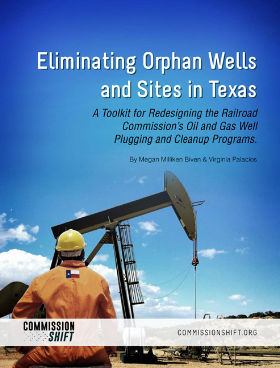
Commission Shift’s 2022 report, Eliminating Orphan Wells and Sites in Texas, outlines comprehensive solutions to address the orphaned well crisis:
“We’ve noticed an uptick in operators losing their licenses to operate in Texas because they aren’t maintaining their aging wells,” says Julie Range, Policy Manager. “I’m fearful the number of orphaned wells will increase as assets mature and economic conditions make it more difficult to stay in business. Without significant policy reforms that compel companies to prepare for the end of a well’s useful life, we will continue to see companies pocket the profits, walk away, and push costs of plugging their aging assets onto taxpayers.”
###
Commission Shift, based in Laredo, Texas, is a nonprofit organization focused on reforming oil and gas oversight in the State of Texas by building support to hold the Railroad Commission of Texas accountable to its mission in a shifting energy landscape. Commission Shift educates and organizes a wide array of stakeholders to build support for changes at the Railroad Commission of Texas that improve the agency’s function, transparency, and accountability to people and places impacted by the oil and gas industry.