HOUSTON, TEXAS — Texas-based community members and environmental advocates today express disappointment and concern over the Environmental Protection Agency (EPA)’s recent decision granting the Railroad Commission, the state oil and gas oversight agency, permitting authority or “primacy” over Class VI carbon storage wells. This decision did not include meaningful public engagement and could have significant implications for public safety and groundwater protection.
Class VI storage involves injecting carbon dioxide into deep rock formations for long-term storage. Texas is one of the leading states receiving applications for Class VI carbon storage permits. The shift in permitting authority from federal to state oversight raises questions, however, about regulatory adequacy and environmental safety.
What Community Members and Advocates are Saying
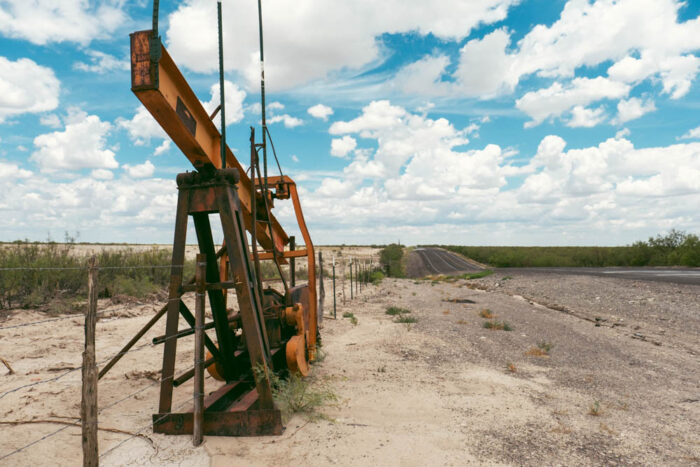
“The EPA’s decision to grant the Railroad Commission of Texas (RRC) primacy over Class VI injection wells assumes that the state has the best geologic information available to manage this new well type while keeping drinking water safe. However, under the RRC’s watch, we have seen a rise in geyser-like well blowouts, sinkholes, earthquakes, and leaks from unplugged wells caused by facilities they permit. If the RRC is the agency best positioned to take on this responsibility, then we’re all in trouble.” — Virginia Palacios, Executive Director, Commission Shift, Laredo, TX
“The fact that geologic storage facilities for carbon dioxide require a Safe Drinking Water Act permit lets us know what is at risk when concentrated, highly-pressurized gases and liquids are pumped deep underground. CCS projects have never performed as intended at scale, equipment has failed and leaked, and capture, transport, and facility construction are all energy and water-intensive. These facts should give us pause. The known risks of permanently damaging or contaminating underground water, including drinking water, should give us a FULL STOP.” — Becky Smith, Texas Director, Clean Water Action, Austin, TX
“The public testimony process by the EPA in giving the Railroad Commission primacy was overly confusing, and while many Texas residents wanted to attend the virtual public comment meeting, it was filled weeks before the meeting was scheduled to happen. When I and others asked for an in person meeting, the EPA declined, leaving hundreds of Texans’ voices unheard.” — Eli Hilbert, Organizing Director, Texas Permian Future Generations, Midland, TX
“Toxic air emissions from oil and gas infrastructure are already harming people across Texas. The Railroad Commission has neither the capacity nor political interest in holding this industry accountable for the Class II wells it already permits. Texans have no reason to believe that the RRC will improve their oversight with the addition of CO2 storage via Class VI well primacy. We strongly oppose this decision by the EPA, and though I truly hope I am wrong, I think we should prepare for more Denbury-style CO2 explosions in our not-too-distant future.” — Jennifer Hadayia, Executive Director, Air Alliance Houston, Houston, TX
“Carbon capture is a technology that most people have never heard of. It is disappointing that the EPA is already washing its hands of Class VI wells, before they or other federal agencies effectively informed the public of this new technology. Even informed Texans who wanted to provide a comment at the virtual public hearing were limited by a minute and a half timer and an intimidating waitlist. Literacy rates across Texas are abysmal, which means that written comments are not always an option for impacted communities. Public comment opportunities need to accommodate these real challenges.” — Erandi Trevino, Campaign Manager, Texas CCS Community Advocacy Coalition, Houston, TX
“While the general public is funding projects like carbon capture via tax breaks, tax abatements, and tax credits, the general public has the least amount of meaningful engagement in these projects especially around standards for safety, transparent processes, and the right to know information. The public is expected to deal with the risks to drinking water, inevitable well blowouts, and consequences to public health from the very projects they are financing. At the end of the day, projects like CCUS are lifelines of a dying fossil fuel industry trying to leach off of public dollars. We stand with our coalition partners and Texans across the state in naming that the EPA’s decision to grant primacy to the Texas RRC is granting oversight to an industry-captured agency. We hope that the RRC will prove us otherwise.” — Dominic Chacón, Houston Regional Coordinator, Texas Campaign for the Environment, Houston, TX
“Granting the Railroad Commission Class VI well primacy would have disastrous consequences in many frontline communities. The RRC has a long record of mismanagement: thousands of abandoned and leaking wells remain unplugged, and the agency has repeatedly failed to provide adequate oversight. With too few inspectors (1 inspector for every 2,300 wells), granting the RRC authority over Class VI carbon would place communities at even greater risk.” — Natalie Lafont, Staff Scientist, Healthy Gulf, Houston, TX
“The Railroad Commission has repeatedly failed to protect Fort Bend communities, and capture projects will create opportunities for the commission to fail us again. Carbon capture technology is being described as progress, but it will make our communities more vulnerable and risk deepening existing health issues. Petra Nova is our local example that this technology is not effective, and it is not here to save us.” — Donna Thomas, Founder/Director, Fort Bend County/Houston Environmental Organization, Houston, TX
“Between the planned CCS hubs along the Gulf Coast and well blowouts becoming more frequent, passing primacy to the Texas Railroad Commission will only lead to a snowball effect of non-compliance and endangerment. The idea of carbon capture is still lesser-known to communities, and I am disappointed this decision was made without a more collaborative approach with the public. At Public Citizen, we will continue to monitor the primacy and hold our regulators accountable to protect our environment, drinking water, and Texans alike.” — Haley Schulz, Houston Organizer, Public Citizen, Houston, TX
Safety Concerns and Groundwater Protection
One of the primary concerns of introducing more carbon storage wells is risk to groundwater. Stored carbon dioxide can interact with water and underground rocks to form carbonic acid and leach heavy metals, permanently acidifying or contaminating groundwater.
Class VI wells require rigorous monitoring to prevent leaks that can cause suffocation, seizures, and other harms to local communities and the environment. Beyond the words on a page, the Railroad Commission must exercise sound judgement when permitting Class VI wells and enforcing the rules. Their track record of accepting campaign donations before and after key decision making moments draws doubt to the commissioner’s decision-making abilities.
Impacted Communities Ignored
Significant policy decisions like granting Class VI primacy should involve extensive stakeholder engagement, ensuring that all community voices are heard and considered in decisions that affect their environment and well-being.
Call to Action
Moving forward, we call on state officials to prioritize safety and environmental protection in their regulatory frameworks. We urge the Railroad Commission and other state and local officials to engage in open dialogue with local communities, scientists, and environmental experts to develop comprehensive strategies that address potential risks associated with Class VI storage wells. For example, the Railroad Commission’s process for Class VI permit applications and protectiveness reviews should be developed with community input, and they should commit to holding in-person public meetings on Class VI permits before issuance.
The CCS Community Advocacy Coalition remains committed to advocating for rigorous oversight and enforcement to protect the environment and public health. We encourage residents near proposed sites to stay informed and participate in public meetings and comment periods on this critical issue.
The Texas CCS Community Advocacy Coalition is a group of concerned citizens, organizations, and environmental advocates focused on raising awareness about the potential impacts of carbon capture and storage (CCS) in Texas. The coalition advocates for transparency, public safety, and environmental protection, urging that any CCS projects be carefully monitored and regulated to protect communities and natural resources.
###